
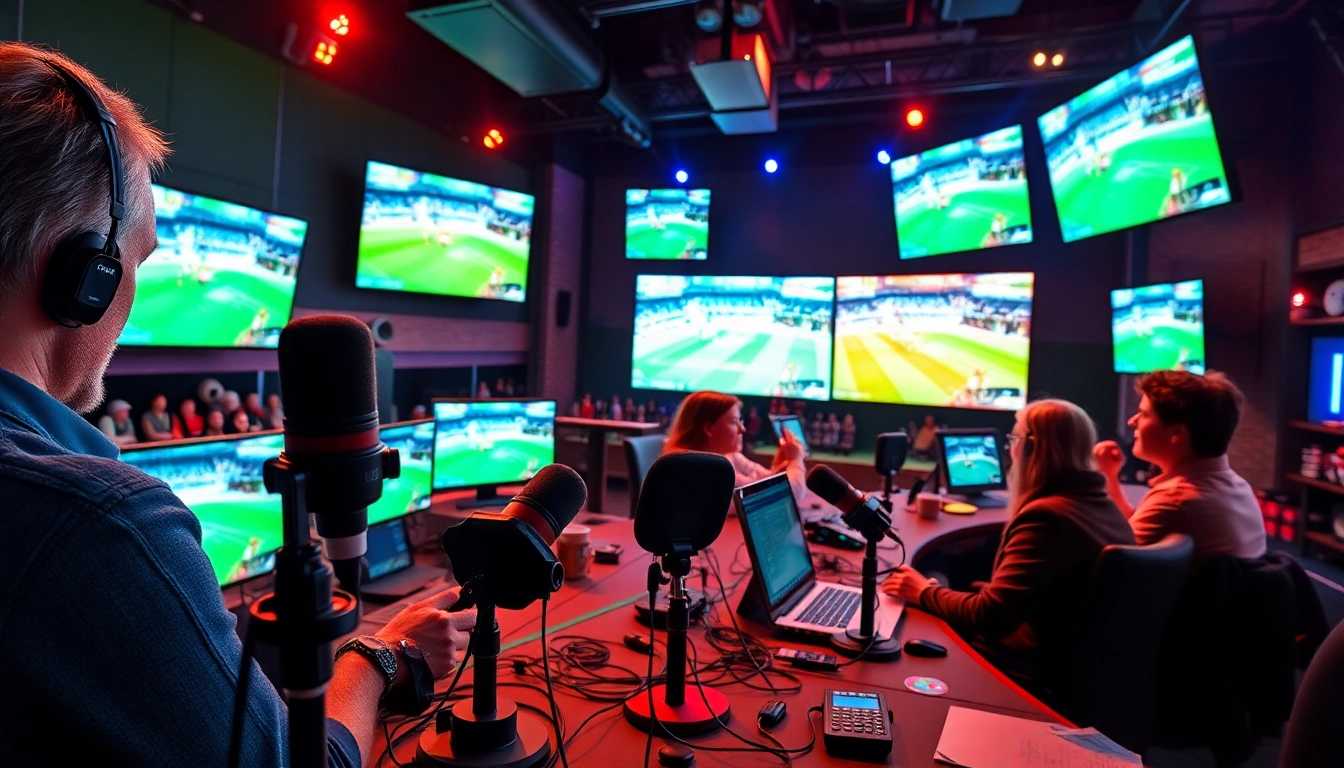
Understanding Sports Broadcasting
Sports broadcasting is an intricate and evolving field that has significantly shaped how fans engage with their favorite sports. From traditional television broadcasts to the rise of online streaming platforms, the landscape of sports coverage has changed drastically. This evolution reflects advancements in technology, shifting viewer preferences, and the increasing demand for instantaneous access to live sports events. As we delve into the realm of Sports Broadcasting, it's essential to first understand its history and foundational components.
The Evolution of Sports Broadcasting
The history of sports broadcasting can be traced back to the early 20th century, when radio became the first medium to transmit live sports events. The 1930s saw the onset of broadcast sports, with baseball games being featured, followed by the introduction of television in the 1950s, which revolutionized how audiences consumed sports content. As viewership grew, networks began to invest heavily in the production and coverage of sports events, leading to the establishment of sports channels and dedicated broadcasting services.
Over the decades, sports broadcasting has transitioned from radio to television, and now to digital platforms. The advent of cable television expanded access to sports, allowing fans to watch games that were previously unavailable to them. The rise of the internet in the late 1990s and early 2000s paved the way for online streaming, enabling fans to watch live games on-the-go. This evolution continues today, as more fans turn to mobile devices and apps for their sports viewing needs, reshaping the traditional broadcasting landscape.
Key Components of Sports Broadcasting
At its core, sports broadcasting consists of several key components that work together to deliver content to viewers. These include:
- Live Coverage: The immediate broadcasting of games and events as they happen, contributing to viewer engagement and excitement.
- Commentary and Analysis: Expert insights and opinions provided by commentators enhance understanding and enjoyment of the sport.
- Production Quality: High-quality visuals, sound, and presentation contribute to a viewer's overall experience.
- Sport-Specific Content: Tailored programming for different sports, including highlight reels and interviews with athletes or coaches.
These components work synergistically to create an immersive experience for the audience, ensuring sustained engagement and viewership across platforms.
The Importance of Live Sports Coverage
Live sports coverage is the heart of sports broadcasting. It captivates audiences by providing real-time action and allowing viewers to experience the thrill of the moment as it unfolds. This immediacy drives significant ratings and advertising revenue, making live sports one of the most valuable programming assets for networks.
Moreover, live broadcasts foster a sense of community among fans, as they can share their excitement or disappointment during critical moments. Platforms often incorporate social media tools to enhance this engagement, allowing fans to interact while watching, thereby amplifying the viewing experience. The combination of live action and audience interaction creates a powerful dynamic that is fundamental to the appeal of sports broadcasting.
Technological Innovations in Sports Broadcasting
Technology has played a pivotal role in the development and transformation of sports broadcasting. New tools and platforms continually emerge to enhance production, improve viewer experience, and provide more personalized content.
Impact of Streaming Technologies on Sports Broadcasting
With the rise of streaming technologies, sports broadcasting has undergone a revolutionary transformation. Traditional cable subscriptions have seen a decline as more viewers opt for streaming services. These platforms offer on-demand access to live games and are often more flexible than traditional broadcasting methods.
Additionally, OTT (Over-The-Top) services have emerged as key players, providing exclusive rights to certain sports and creating a more competitive landscape. This shift has encouraged networks to innovate, pushing them towards creating more hybrid models that blend television broadcasting with digital streaming.
Enhancing Viewer Experience with Augmented Reality
Augmented Reality (AR) is another significant technological advancement that has begun to infiltrate sports broadcasting. By overlaying digital graphics onto a live video feed, AR can enhance storytelling and engagement during broadcasts. For example, AR can be used to display player statistics, replays, or immersive game analysis that adds depth to the viewer's understanding of the action taking place.
Engaging visuals can capture audience attention and make broadcasts more interactive. As technology continues to advance, the potential for AR in sports broadcasting promises to increase, offering fans an unprecedented way to connect with their favorite sports.
The Role of Social Media in Sports Broadcasting
Social media has drastically changed how sports broadcasters engage with fans. Platforms like Twitter, Instagram, and Facebook have become integral parts of a broadcaster’s strategy to enhance and disseminate sports content. They provide real-time updates, behind-the-scenes footage, and interactive elements that traditional broadcasting could not offer.
Moreover, social media allows broadcasters to create two-way communication with fans. This interaction not only builds community but also offers valuable insights into audience preferences, which can guide future programming and content creation. As social media continues to evolve, its role in sports broadcasting will likely become increasingly pivotal.
Best Practices for Engaging Sports Broadcasting Content
Creating engaging content in sports broadcasting requires a strategic approach. Understanding your audience and leveraging the right tools and techniques can significantly enhance viewer experience and loyalty.
Creating Interactive Viewer Experiences
Interactive content is essential for engaging viewers. Techniques such as polls, live Q&A sessions, or gamification can enhance viewer participation during live broadcasts. Leveraging technology to allow real-time feedback can make broadcasts more inclusive and entertaining.
For example, integrating audience predictions or fan polls related to ongoing games encourages engagement and keeps viewers invested in the content. By fostering a sense of involvement, broadcasters can deepen their relationship with the audience and encourage repeat viewership.
Utilizing Data Analytics in Sports Broadcasting
Data analytics is an invaluable asset in sports broadcasting. From audience metrics to real-time game statistics, data can drive better decision-making and enhance viewer experiences. Broadcasters can analyze what content resonates most with viewers, allowing for optimization of future programming.
Moreover, utilizing data to inform commentary can provide more in-depth analysis, enriching the viewer's experience. Broadcasters that leverage analytics effectively will be in a stronger position to meet the demands of an increasingly data-savvy audience.
Building an Engaging Narrative through Sports Broadcasting
A compelling narrative can significantly enhance sports broadcasting. By integrating storytelling elements, broadcasters can create emotional connections with the audience. This includes profiling athletes, recapping critical moments, or exploring the historical significance of a matchup.
Engaging narratives foster loyalty and keep audiences returning for both current events and future programming. A combination of emotional depth, personal stories, and captivating visuals creates a rich viewing experience that transcends the game itself.
Challenges in Sports Broadcasting
While sports broadcasting presents many opportunities, it also comes with its own set of challenges that must be navigated strategically.
Privacy and Ethical Concerns
As technology evolves, privacy and ethical concerns will remain critical issues in sports broadcasting. The increased use of data analytics raises questions about how viewer data is collected, stored, and utilized. Broadcasters must prioritize transparency and comply with regulations to safeguard against potential violations.
Responsible reporting and adherence to ethical standards will be essential to maintain viewer trust and ensure a positive broadcasting environment moving forward.
Adapting to Changing Viewer Preferences
The sports broadcast industry must continually adapt to evolving viewer preferences. As habits shift toward more flexible viewing options, broadcasters must innovate to keep their content relevant. This includes experimenting with different formats, leveraging emerging technologies, and being responsive to audience feedback.
Failure to adapt can lead to declining viewership, reminding industry leaders that understanding the audience is paramount.
Technical Barriers in Remote Broadcasting
Remote broadcasting, while offering flexibility and cost savings, presents technical barriers that must be addressed. Issues with connectivity, audio and video quality, and production workflow can hinder the viewer experience. Proper planning and investment in technology are crucial to mitigate these challenges.
Broadcasters must ensure that their remote capabilities are robust enough to handle high-stakes broadcasts, providing viewers with the quality they expect.
The Future of Sports Broadcasting
The landscape of sports broadcasting is likely to change even further in the coming years. Understanding emerging trends and preparing for the future will be crucial for broadcasters seeking to maintain their relevance in a competitive environment.
Predictions for the Next Decade
In the next decade, we can anticipate further integration of advanced technologies such as Artificial Intelligence (AI), Virtual Reality (VR), and 5G networks. AI can enhance content personalization by analyzing viewer preferences, while VR can potentially offer immersive viewing experiences that transport fans into the action.
Additionally, the proliferation of 5G technology will enable seamless streaming experiences, ushering in a new era of high-quality live sports broadcasting.
How to Prepare for Upcoming Trends
To prepare for these trends, broadcasters should invest in research and development while also fostering partnerships with technology providers. Continuous education about technological advancements will be vital to understand potential applications that enhance viewer engagement and content delivery.
Staying ahead of trends will require agility and a willingness to experiment with new ideas, fostering innovation within the broadcasting landscape.
Investing in Sustainable Sports Broadcasting
As sustainability becomes an increasingly important global conversation, sports broadcasters must also consider their environmental impact. Implementing practices that reduce carbon footprints, such as using green energy and sustainable equipment, can improve brand reputation while attracting a socially conscious audience.
Moreover, promoting sustainable practices within sports organizations and communities can position broadcasters as leaders in sustainability, setting an example for others in the industry.
FAQs
What is sports broadcasting?
Sports broadcasting is the live coverage and analysis of sports events through various media platforms, including television, radio, and online streaming.
How has technology impacted sports broadcasting?
Technology has revolutionized sports broadcasting by enhancing viewer experience through streaming, augmented reality, and data analytics, reshaping how fans engage with content.
Why is live coverage critical in sports broadcasting?
Live coverage creates immediacy and excitement, allowing fans to engage in real-time, enhancing the broadcasting experience and community among viewers.
What are some challenges faced in sports broadcasting?
Common challenges include privacy concerns, adapting to changing viewer preferences, and technical barriers in remote broadcasting that affect content quality.
What can we expect for the future of sports broadcasting?
Future trends may include greater use of AI and VR technologies, improved 5G infrastructure for streaming, and an increased focus on sustainable broadcasting practices.