The Landscape of Manufacturing Clothing in China
Overview of the Industry
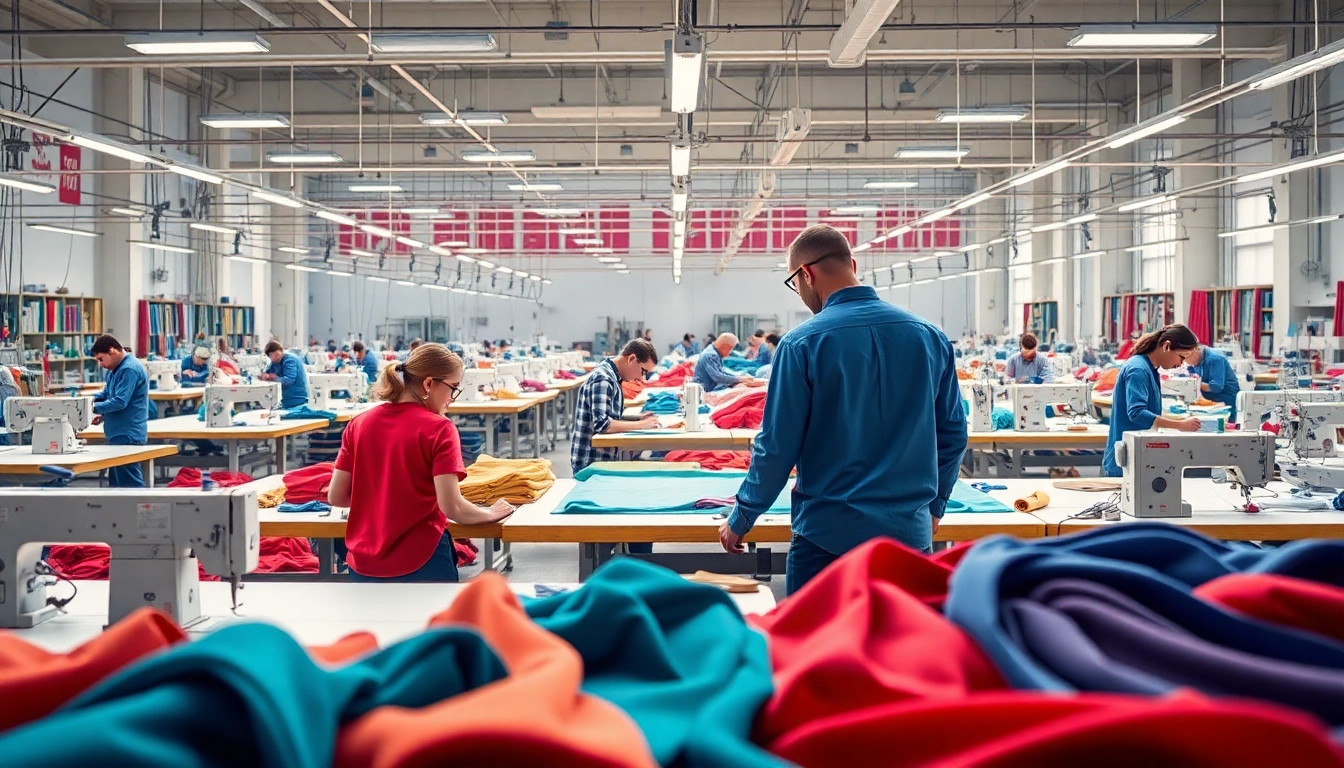
The clothing manufacturing industry in China is a powerhouse, contributing a significant share to the global textile market. As the largest exporter of garments, China dominates with a sophisticated and intricate ecosystem that includes a vast array of manufacturers. The country offers not only an abundance of raw materials but also a network of skilled labor, technological advancements, and logistics that streamline the production process. Companies globally turn to China for Manufacturing Clothing in China due to its competitive pricing and highly developed supply chain infrastructures.
Trends in Textile Production
Recent trends in textile production highlight a shift towards sustainability and digital transformation. Manufacturers are increasingly adopting eco-friendly materials and processes, responding to the global demand for sustainable fashion. Digital technologies such as computer-aided design (CAD) systems improve design accuracy and speed. Furthermore, the integration of Industry 4.0 concepts—such as Internet of Things (IoT) and smart manufacturing—enables companies to enhance productivity and reduce waste.
Challenges Faced by Manufacturers
Despite its advantages, clothing manufacturing in China faces numerous challenges. Rising labor costs, trade tensions, and increasing material costs can strain profit margins. Additionally, the rapid pace of consumer preference changes makes it difficult for manufacturers to adapt quickly, leading to potential inventory issues. Regulations regarding environmental standards are becoming increasingly stringent, requiring companies to invest in new technologies and processes to remain compliant.
Key Factors Driving Success in Manufacturing Clothing in China
Understanding Supply Chain Dynamics
Successful clothing manufacturing hinges on understanding the intricacies of supply chain dynamics. The proximity to suppliers of raw materials, such as textiles and accessories, creates a reliable source that minimizes lead times. Companies that establish solid relationships with suppliers can manage their supply chains efficiently, ensuring that production remains uninterrupted and costs stable.
Quality Control and Standards
Quality control is paramount in the clothing manufacturing process. By instituting rigorous quality assurance protocols, manufacturers can ensure their products meet both domestic and international standards. Implementing practices such as regular inspections, sample testing, and adherence to established quality guidelines helps in maintaining brand reputation and customer trust.
Labor Market and Workforce Skills
The labor market in China has evolved significantly, with a workforce that is increasingly skilled in modern manufacturing techniques. Continuous training and development programs are essential to ensure that workers are adept at using new technologies and adhering to quality standards. Manufacturers who invest in workforce skills not only enhance productivity but also attract and retain top talent, further driving their competitive edge.
Technological Innovations Shaping Clothing Manufacturing
Automation in Production Lines
Automation is transforming the landscape of clothing manufacturing in China. By incorporating automated machines into production lines, manufacturers can increase efficiency, reduce labor costs, and minimize human error. This shift towards automation helps companies respond rapidly to changes in demand while optimizing output quality.
Use of AI and Data Analytics
Artificial Intelligence (AI) and data analytics are emerging as key players in optimizing manufacturing processes. By analyzing vast amounts of data, manufacturers can make informed decisions regarding inventory management, production scheduling, and market trends. These technologies enable predictive maintenance, reducing downtime and fostering a proactive approach to operational challenges.
Sustainable Practices in Manufacturing Clothing
The emphasis on sustainability has led to innovative manufacturing practices in China. From the use of organic materials to water recycling and waste reduction, manufacturers are adopting sustainable methods to lessen their environmental impact. Many companies are now obtaining certifications that validate their commitment to eco-friendly practices, thus appealing to a growing base of environmentally conscious consumers.
Strategies for Improving Operational Efficiency
Lean Manufacturing Principles
Implementing lean manufacturing principles can significantly enhance operational efficiency. By focusing on reducing waste and streamlining processes, manufacturers can improve productivity and lower costs. Techniques such as Just-in-Time (JIT) manufacturing help in maintaining sufficient stock levels without overproduction, optimizing resource allocation.
Effective Resource Management
Efficient resource management is crucial in ensuring successful garment production. By utilizing resources judiciously—whether it be labor, materials, or time—manufacturers can maximize output while minimizing costs. Planning and forecasting demand accurately allows companies to allocate resources effectively and reduce surplus.
Continuous Improvement Processes
Continuous improvement processes, often referred to as Kaizen, foster an environment of ongoing enhancement. By involving employees in decision-making and empowering them to suggest improvements, manufacturers can cultivate a culture that values innovation and efficiency. Regularly reviewing processes ensures that companies remain competitive and responsive to changes in the marketplace.
Future Considerations for Manufacturing Clothing in China
Market Expansion Opportunities
With global demand projected to rise, there are significant market expansion opportunities for clothing manufacturers in China. Exploring emerging markets and diversifying product lines can help companies tap into new revenue streams. Additionally, partnering with international brands offers opportunities for cross-border collaborations that enhance market reach.
Shifting Consumer Demands
As consumers increasingly prioritize personalization and sustainability, manufacturers must remain agile in responding to these shifting demands. This may include offering customizable products and transparent supply chains that align with consumer values. Keeping a pulse on market trends allows manufacturers to anticipate changes and stay ahead of competitors.
Maintaining Competitive Advantage
To maintain a competitive advantage, manufacturers must continuously innovate and adapt. Investing in technology, embracing sustainable practices, and fostering a skilled workforce are all essential strategies that will enable companies to thrive in the ever-evolving landscape of clothing manufacturing. Keeping abreast of industry trends and consumer preferences is crucial for sustaining growth and relevance in the market.
Frequently Asked Questions
What are the benefits of manufacturing clothing in China?
Manufacturing clothing in China offers cost efficiency, access to a skilled workforce, a well-developed supply chain, and the ability to scale production rapidly to meet global demands.
What challenges do manufacturers face in China?
Manufacturers in China face challenges like rising labor costs, evolving regulatory environments, supply chain disruptions, and increasing competition from emerging markets.
How is technology impacting clothing manufacturing?
Technology is enhancing clothing manufacturing through automation, data analytics, and AI, facilitating improved efficiency, quality control, and sustainable practices.
What is lean manufacturing, and how is it applied?
Lean manufacturing focuses on minimizing waste while maximizing productivity. It applies techniques like Just-in-Time (JIT) production to optimize resource use and streamline workflows.
What are the future trends in clothing manufacturing?
Future trends include increased sustainability, greater personalization of products, and the adoption of advanced technologies such as AI and IoT to enhance manufacturing efficiency.