
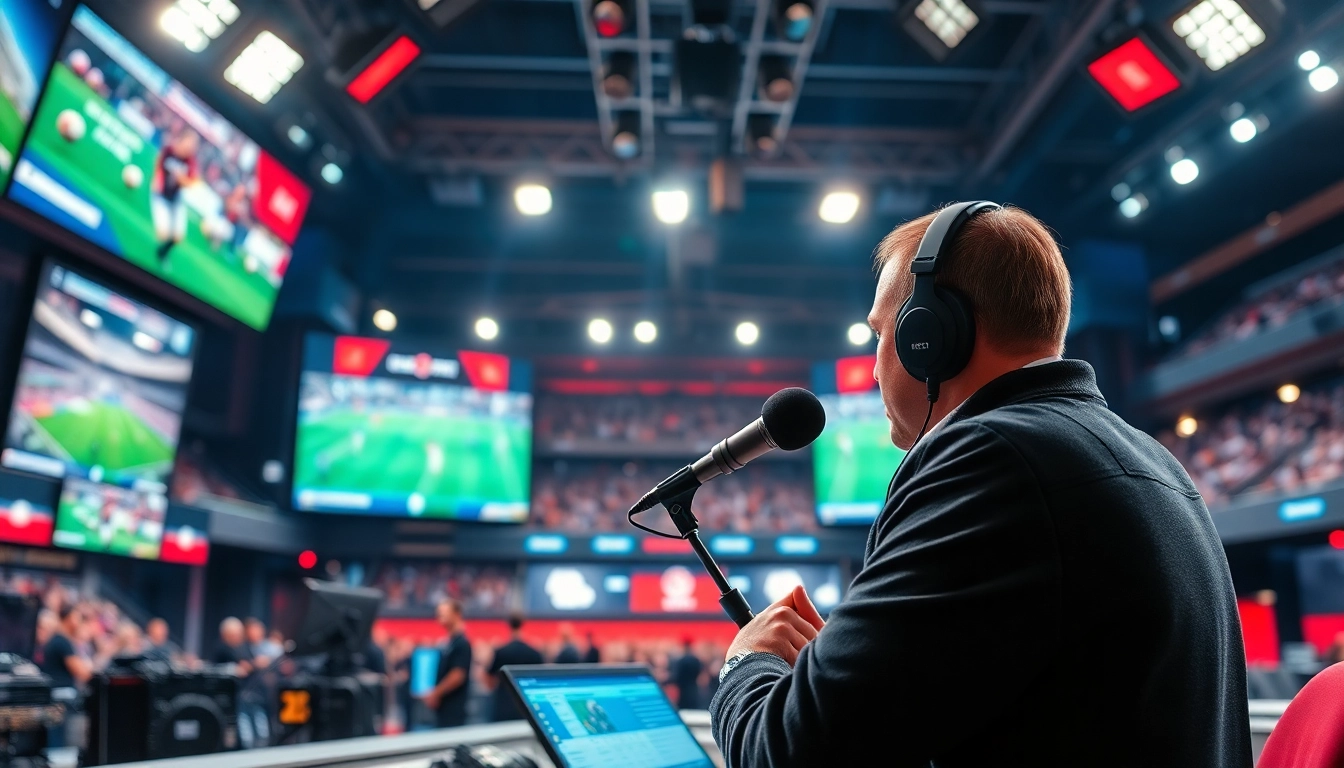
Understanding the Fundamentals of Sports Broadcasting
What is Sports Broadcasting?
Sports broadcasting is the dissemination of live or recorded sports events and related programming through various media platforms such as television, radio, and the internet. It connects fans with their favorite sports and athletes, delivering play-by-play action, commentary, analysis, and entertainment. The Sports Broadcasting landscape has evolved significantly, shaping how games are consumed across generations.
The Evolution of Sports Broadcasting
Beginning in the early 20th century, sports broadcasting saw its first major breakthrough with radio broadcasts, allowing fans to follow events from their homes. The later introduction of television transformed viewership dynamics, making it possible to enjoy sports in high fidelity. Over the years, technological advancements including cable television, satellite broadcasting, and the rise of streaming platforms have further enhanced viewer experience, enabling fans to access content on-demand.
Key Roles in Sports Broadcasting
Professionals in sports broadcasting collaborate to create engaging presentations for fans. Key roles include:
- Commentators: Provide live narration and analysis during events to enrich the viewer experience.
- Producers: Oversee the broadcast’s technical and creative aspects, managing everything from camera angles to graphics.
- Cameramen: Capture the action from various angles, playing a crucial role in how a game is visually narrated.
- Writers: Craft engaging narratives and promotional content that enhance the storytelling aspect of sports.
Technology Behind Sports Broadcasting
Equipment Essential for Sports Broadcasting
The quality of sports broadcasting is heavily influenced by the equipment used. Essential equipment includes high-definition cameras, audio equipment, and editing software. HD cameras provide clarity, while advanced audio equipment ensures viewers can hear commentary and crowd reactions effectively. Additionally, graphics creation tools play an important role in displaying real-time statistics and relevant information during broadcasts.
Modern Software Solutions
Modern sports broadcasting relies on sophisticated software solutions that streamline production. Programs for live graphics, instant replay systems, and cloud-based storage allow for seamless integration of multiple elements, enhancing the overall viewing experience. Software solutions like interactive overlays and data visualization tools empower broadcasters to deliver real-time insights and improve viewer engagement.
Streaming vs. Traditional Broadcasting
Streaming has changed the sports broadcasting landscape, offering viewers a choice between on-demand and live content. While traditional broadcasting requires consumers to adhere to set schedules, streaming allows for flexible viewing, catering to the busy lifestyles of sports fans. Furthermore, streaming platforms often provide unique features like multiple camera angles and interactive elements that engage viewers in new ways.
Best Practices for Sports Broadcasting
Crafting Engaging Commentary
Effective commentary is vital for maintaining viewer interest. Broadcasters should focus on delivering insightful and entertaining commentary that adds value to the viewing experience. Techniques include:
- Using a narrative style: Telling stories about players and teams can enrich the audience's connection to the game.
- Staying informed: Knowledge about the sport, players, and statistics ensures that commentary is accurate and relevant.
- Encouraging viewer interaction: Engaging with fans through social media or live polls can make broadcasts more interactive.
Creating Interactive Viewer Experiences
To retain and attract viewers, broadcasters should integrate interactive elements. This can include live chats, polls, and social media engagement, allowing fans to share their thoughts in real time. Gamification strategies, such as fantasy sports integration and predictive analytics, also provide opportunities for deeper engagement.
Building a Strong Online Presence
A strong online presence is crucial for modern sports broadcasters. Utilizing social media platforms effectively can drive engagement and create a loyal fan base. Consistent updates, behind-the-scenes content, and interaction with users enhance brand loyalty and attract new viewers. Utilizing SEO strategies also helps broadcasters appear prominently in search results, reaching a broader audience.
Challenges Faced in Sports Broadcasting
Managing Live Events
Live sports events come with inherent unpredictability, requiring broadcasters to adapt quickly. Technical failures, unexpected weather changes, and last-minute team changes can affect the broadcast. Preparation through contingency plans for major events ensures that broadcasts run as smoothly as possible, minimizing disruptions that could frustrate viewers.
Ensuring Accurate Reporting
Accuracy is paramount in sports reporting. Broadcasters must verify facts and stats before publicizing them to maintain credibility. Implementing a system where information is cross-checked by multiple crew members can significantly reduce misinformation and enhance viewer trust in the broadcast.
Navigating Audience Expectations
With an ever-growing array of content and platforms, audience expectations continuously evolve. Broadcasters must stay tuned to viewer demands for quality, accessibility, and interactivity, adapting content accordingly. Conducting viewer surveys and analyzing viewing habits can guide strategies to meet these expectations effectively.
Future Trends in Sports Broadcasting
Emerging Technologies
As technology advances, so does the potential for new broadcasting methods. Artificial intelligence, augmented reality, and virtual reality are beginning to make their way into sports broadcasting, offering immersive viewing experiences. These technologies can provide fans with interactive ways to engage with content, transforming how sports events are consumed.
Shifts in Viewer Habits
Viewer preferences are shifting towards personalization and flexibility. Audience members increasingly prefer content that caters to their interests, such as highlighted segments, player stats, or team-specific news. Broadcasters who embrace and utilize data analytics to curate content based on viewer preferences can maintain relevance and competitiveness.
Impact of Social Media on Sports Broadcasting
Social media is reshaping the broadcasting landscape. Platforms provide immediate feedback on broadcasts, while also serving as primary channels for content dissemination. By leveraging user-generated content and engaging directly with fans, broadcasters can increase their reach and influence within the sports community.
FAQs
What is the role of a sports commentator?
A sports commentator provides real-time analysis and narratives during broadcasts, enhancing the viewer's understanding and enjoyment of the event.
How has technology changed sports broadcasting?
Technology has introduced high-definition visuals, instant replays, and streaming options, transforming how fans engage with sports content.
What are the main challenges in sports broadcasting?
Main challenges include managing live events, ensuring accurate reporting, and meeting evolving audience expectations amid fierce competition.
What does interactive broadcasting involve?
Interactive broadcasting includes real-time viewer engagement tools like live polls, chats, and social media integration to enhance viewer experience.
How important is social media for sports broadcasters?
Social media is crucial for engagement, providing platforms for real-time interaction and feedback while expanding the reach of broadcasts.